Participation to conferences, roundtables, workshops and other scientific activities
September 24, 2025
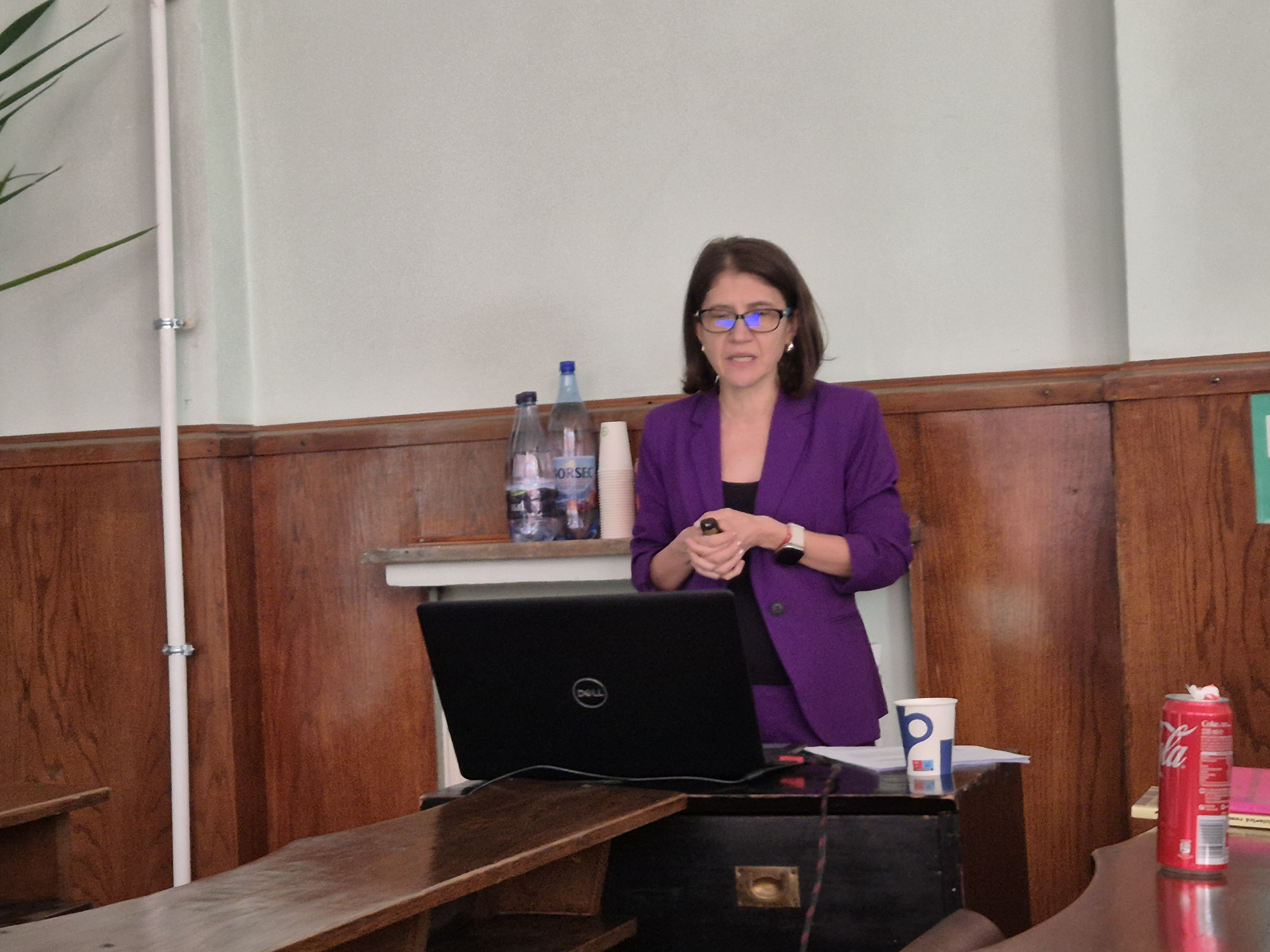
Several researchers from the project team in the Republic of Moldova participated in the panel discussion, HISTORY AND MEMORY OF STALINIST DEPORTATIONS IN THE SOVIET SOCIALIST REPUBLIC OF MOLDOVA, organized as part of the History-Archeology-Museology Scientific Conference, organized by the National Museum of History of Moldova between September 23 and 24, 2025.
Ludmila Chiciuc presented the paper, „The drama of Stalinist deportations experienced by ethnic minorities (allogens) in the southern region of the Moldovan SSR”, Lidia Pădureac presented the paper „Dimensions of everyday life during the famine in the Moldovan SSR (1946-1947): testimonies of deprivation and survival”, and Olga Trandafilova spoke about „The history of Stalinist repression in documents and memories. Case study: Kasîm family from Avdarma village”.


November 14, 2025
Claudia-Florentina Dobre, the project director, presented the results of her research conducted within the project at two national conferences in 2025.
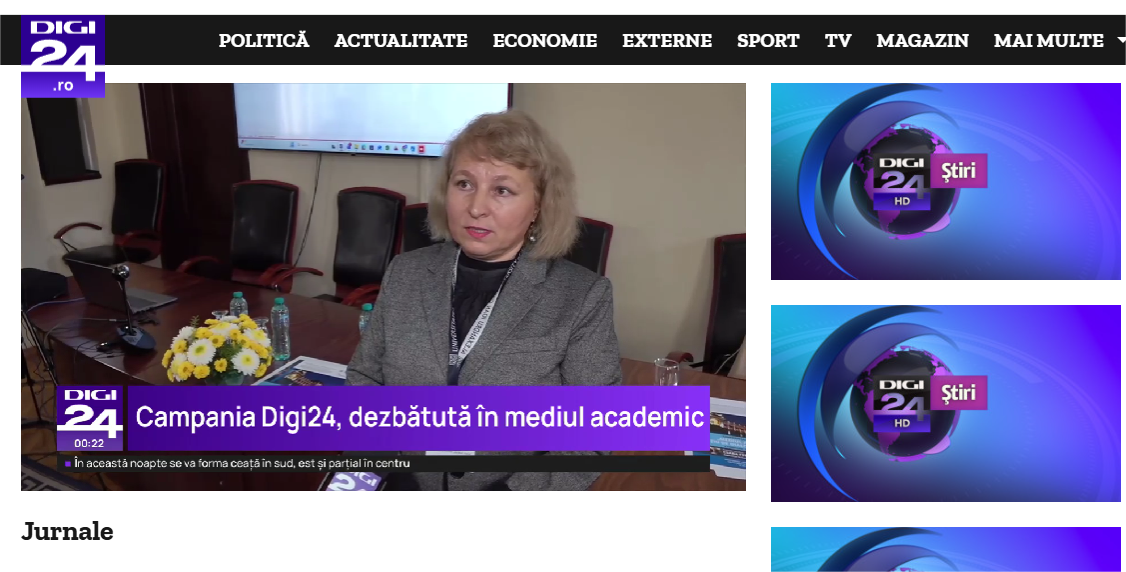
On 14 November 2025, at the national conference “The Academic Environment: A Space for Dialogue and Tolerance,” organized by Alexandru Ioan Cuza University of Iași on 14-15 November, Claudia-Florentina Dobre presented the paper The Historian as a Vector of Memory and a Secondary Witness to the Tragedies of the Twentieth Century.
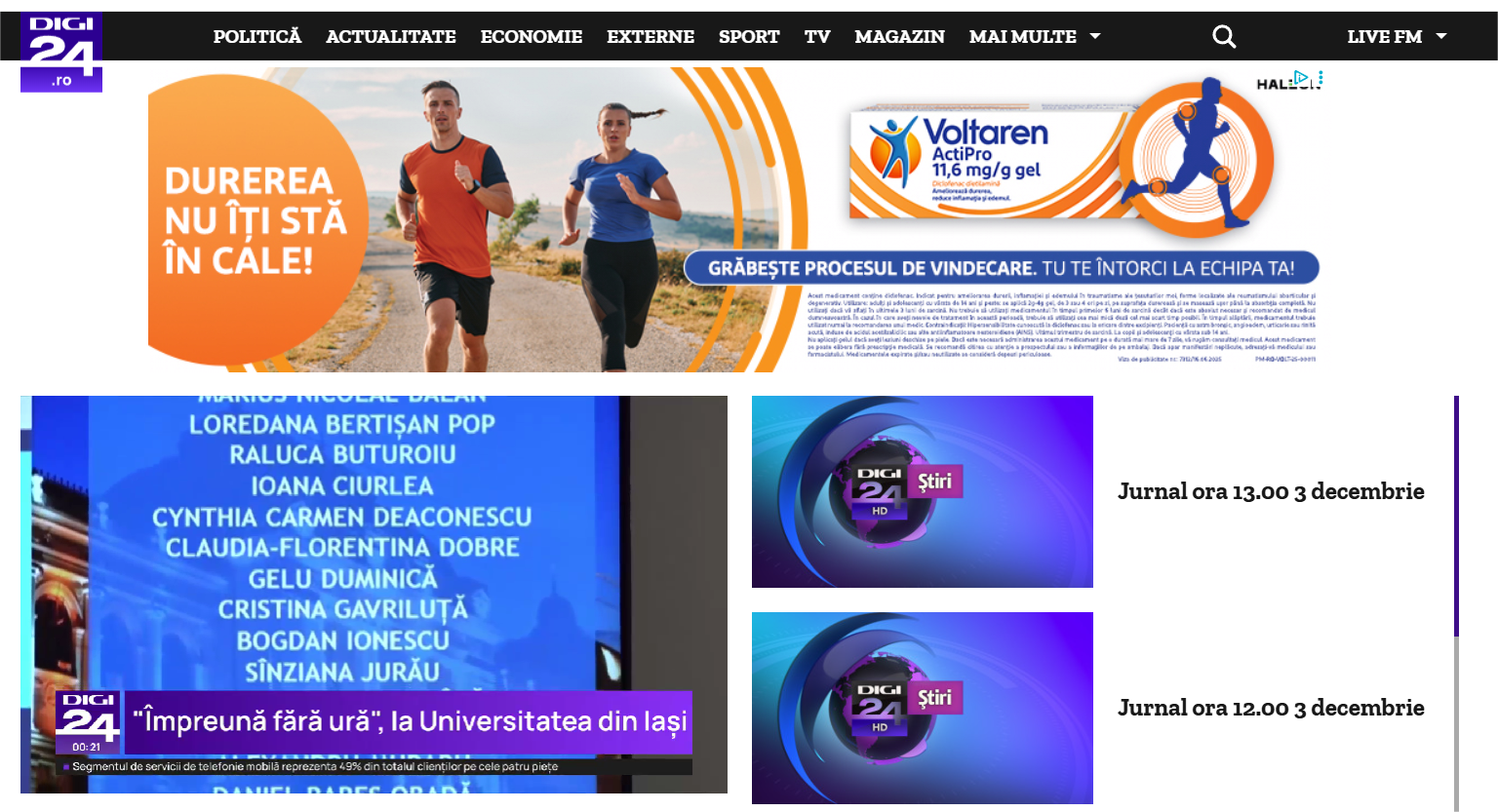
On this occasion, Claudia-Florentina Dobre also gave an interview to Digi24, discussing the themes of her presentation and highlighting their relevance for contemporary society and future generations. Through this intervention, she further disseminated the project's findings and contributed to the public debate on memory, historical responsibility, and the role of historians in preserving and transmitting the experiences of the twentieth century.
https://www.digi24.ro/emisiuni/jurnale/jurnal-ora-00-00-15-noiembrie-2-3505847
November 25-26, 2025
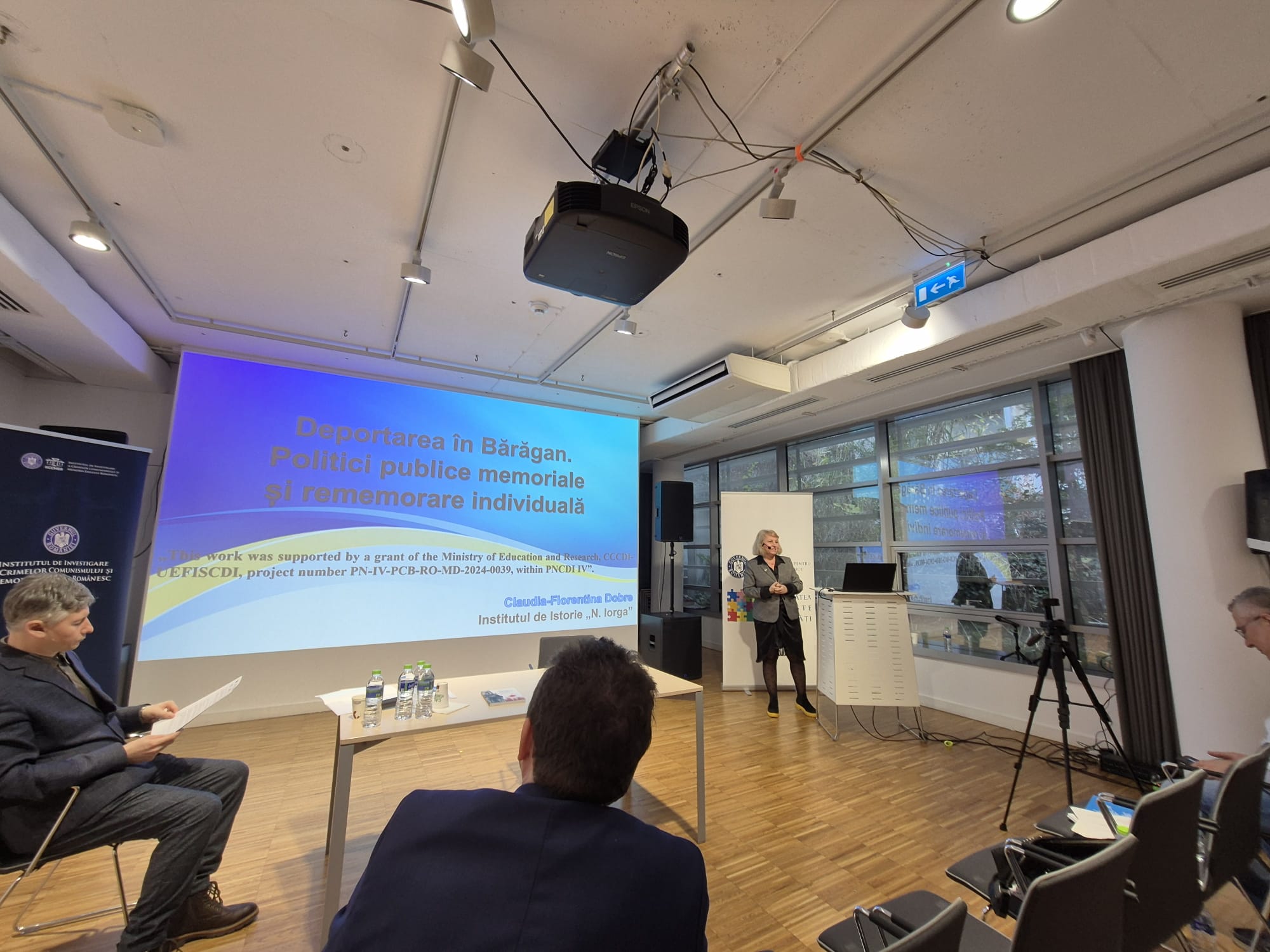
On 26 November 2025, Claudia-Florentina Dobre delivered the paper “Deportation to the Bărăgan Plain: Public Memory Policies and Individual Remembrance” at the symposium “Ethnic-Based Deportations: A Central Element of Totalitarian Regimes?”, organized by the Department for Interethnic Relations, the „Nicolae Iorga” Institute of History, and IICCMER. The event took place on 25-26 November at the Goethe-Institut in Bucharest and brought together scholars examining the legacy of ethnic deportations under totalitarian regimes.
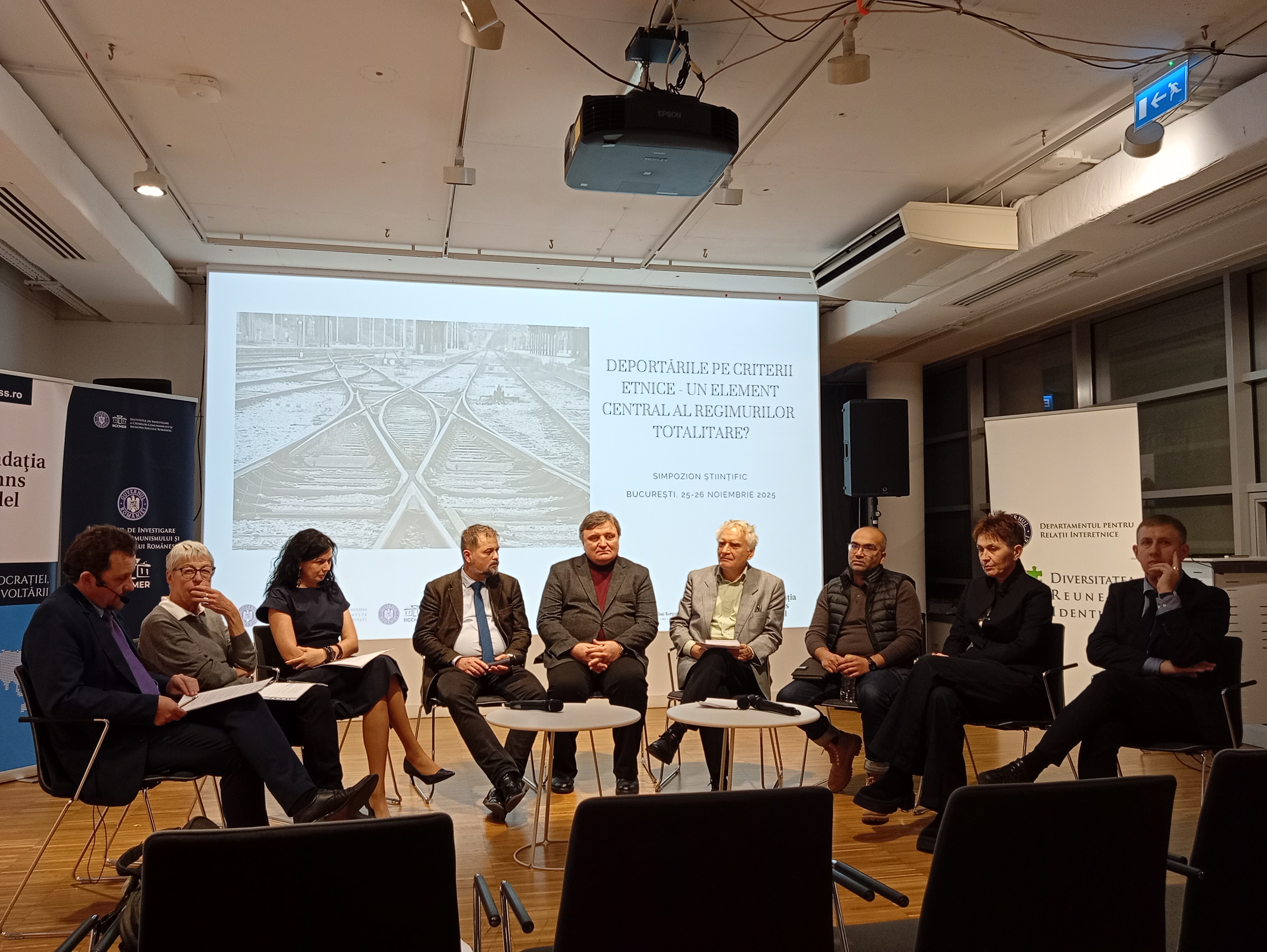
Ludmila Cojocari, the project co-director, together with Virgiliu Bîrlădeanu, a member of the project team, participated in the scientific symposium “Ethnic-Based Deportations: A Central Element of Totalitarian Regimes?”, organized by the Department for Interethnic Relations, the „Nicolae Iorga” Institute of History, and the Institute for the Investigation of Communist Crimes and the Memory of the Romanian Exile (IICCMER), held on 25-26 November 2025.
During the symposium, they presented the paper “The Deportations from Bessarabia and Northern Bukovina in June 1941 and the Mechanisms of Stalinist Repression: The Case of Ivdellag.” Their contribution examined the deportations carried out by the Soviet authorities in June 1941 and analyzed the functioning of Stalinist repressive mechanisms through the case of Ivdellag, one of the labor camp complexes within the Gulag system. The presentation contributed to broader discussions on state violence, forced displacement, and the enduring memory of totalitarian repression in Eastern Europe.
Virgiliu Bîrlădeanu also participated, as an expert on memory policies in the Republic of Moldova, in the roundtable discussion “Quo Vadis Memory? Between Oblivion, Education, Institutionalization, and Democratic Civic Awareness,” organized within the framework of the scientific symposium “Ethnic-Based Deportations: A Central Element of Totalitarian Regimes?”
Drawing on his expertise in the field of memory politics and public history, he contributed to discussions on the challenges of preserving and transmitting the memory of totalitarian repression, the role of educational and cultural institutions in shaping collective memory, and the importance of fostering democratic awareness through critical engagement with the past. His participation enriched the comparative perspective of the roundtable and highlighted developments and ongoing debates concerning memory policies in the Republic of Moldova.
February 11, 2026
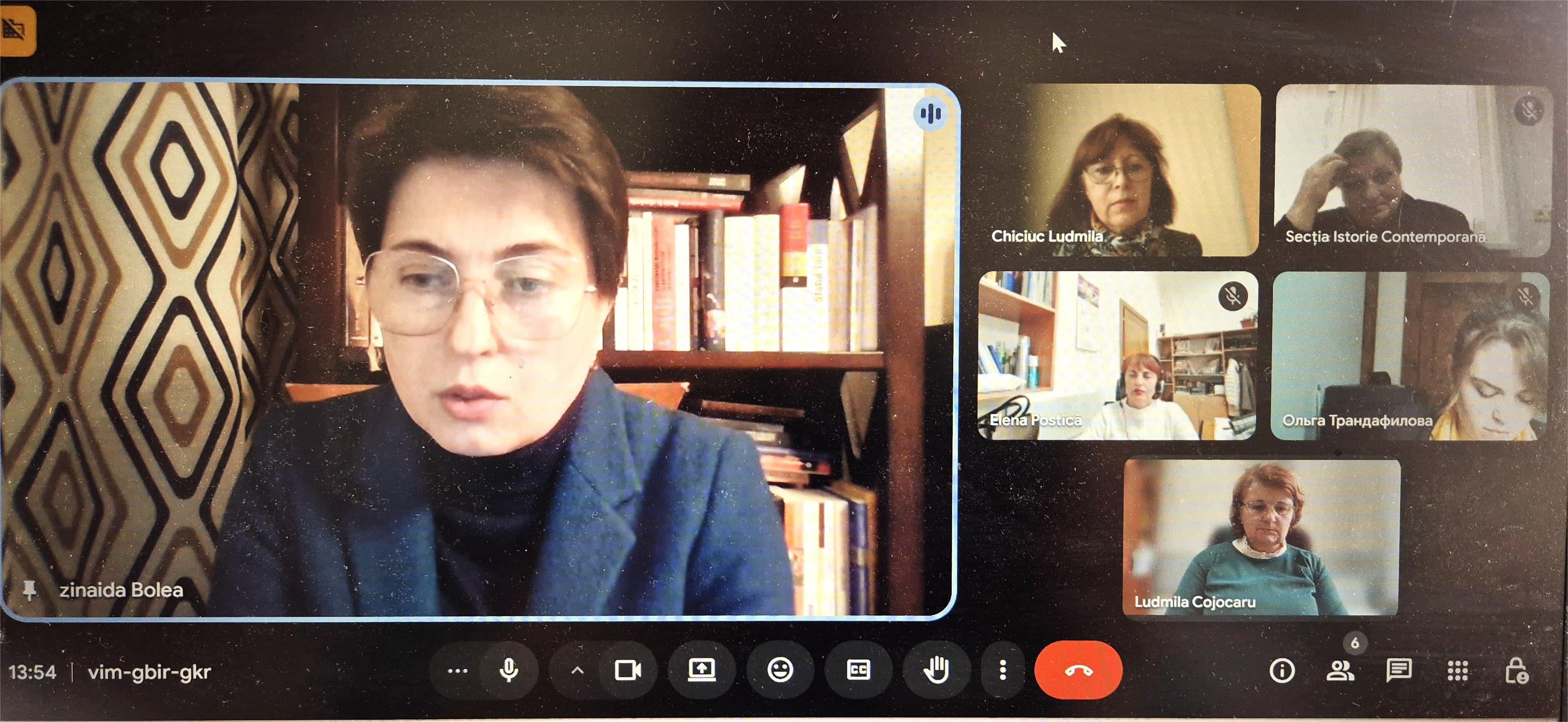
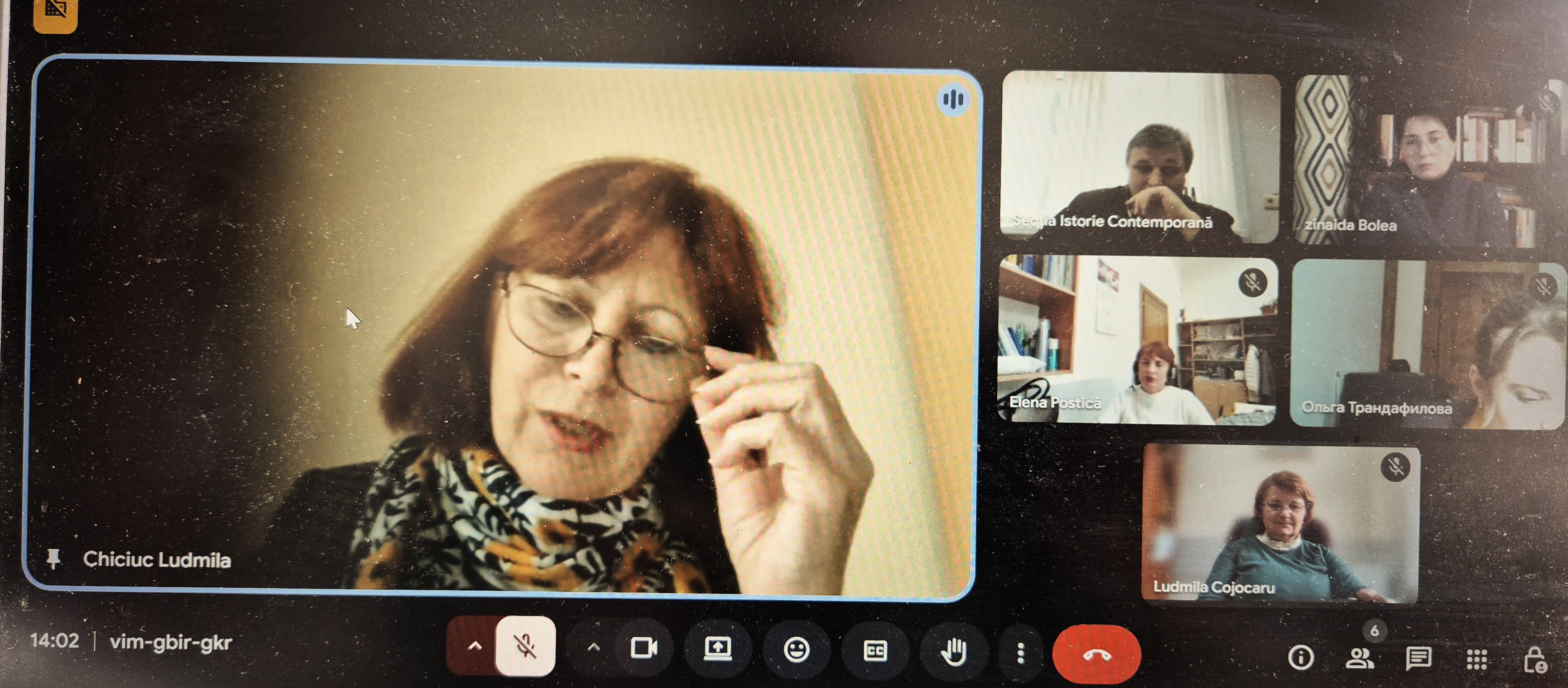
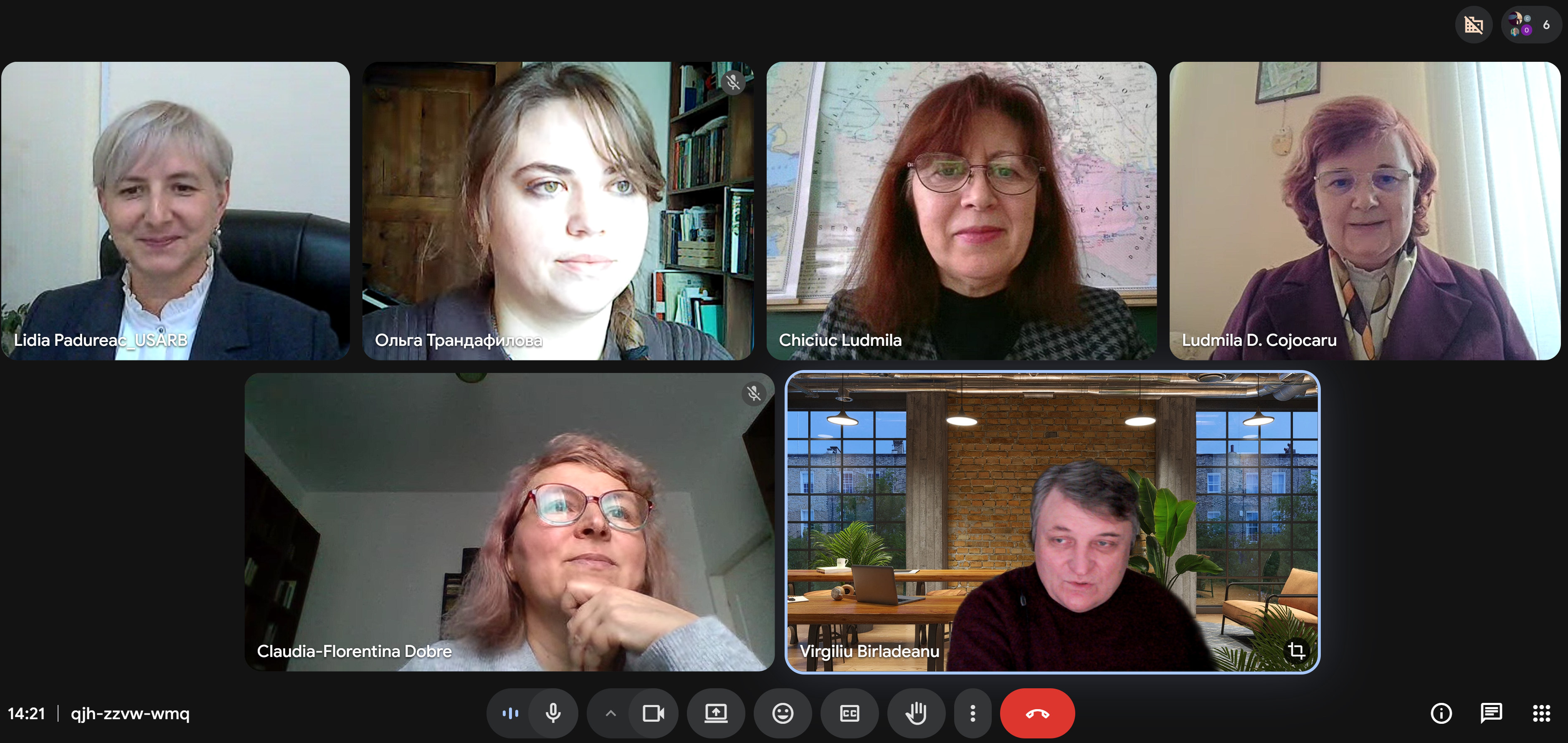
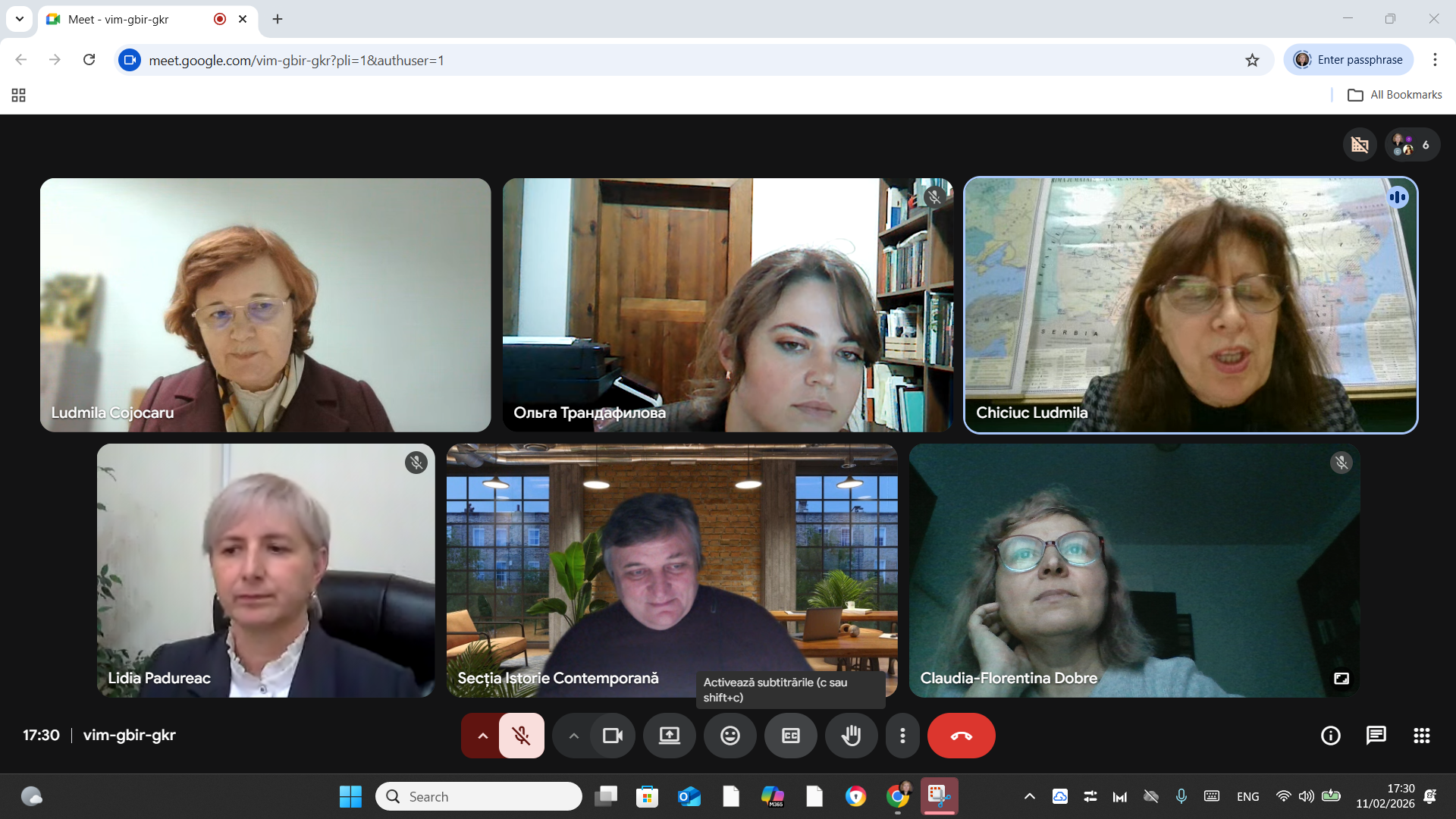
On 11 February 2026, Dr. habil. Ludmila Cojocari, the project co-director, together with Lidia Pădureac, a member of the project team, organized a panel entitled “Memory Culture and Cultural Heritage in Post-Totalitarian Society: Projects and Practices of Scholarly Valorization” within the framework of the international scientific conference “Yesterday's Cultural Heritage: Implications for the Development of a Sustainable Society of Tomorrow,” held online and jointly hosted by Iași, Chișinău, and Lviv.
The panel brought together the project members as well as other scholars working on issues of memory culture, cultural heritage, and the legacy of totalitarian regimes, providing a forum for discussing innovative research projects and best practices in the scholarly interpretation, preservation, and public dissemination of historical and cultural heritage.
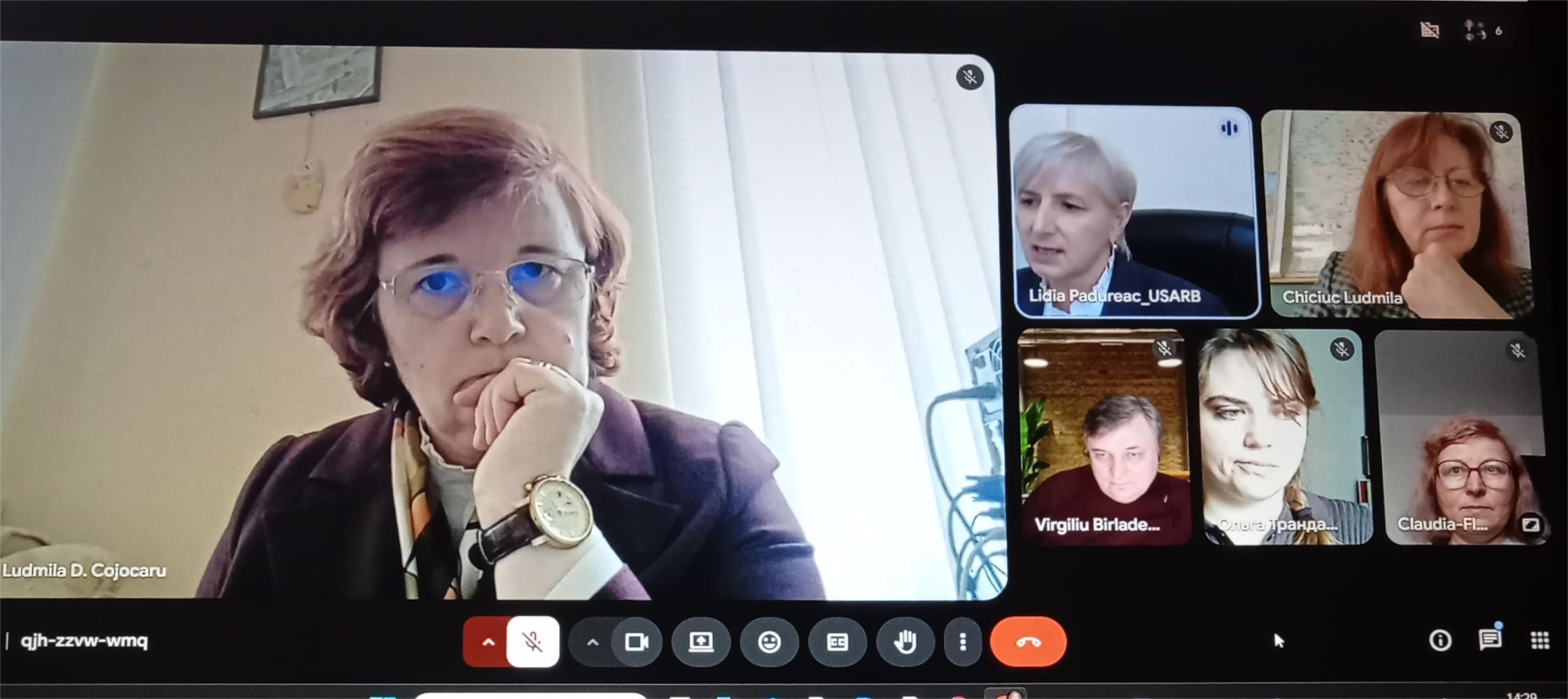
The following scholars presented papers as part of the panel:
Dr. hab. Claudia-Florentina DOBRE (project director, Institutul de Istorie „Nicolae Iorga” din București), The memory of communism in Romania: public policies and individual représentations
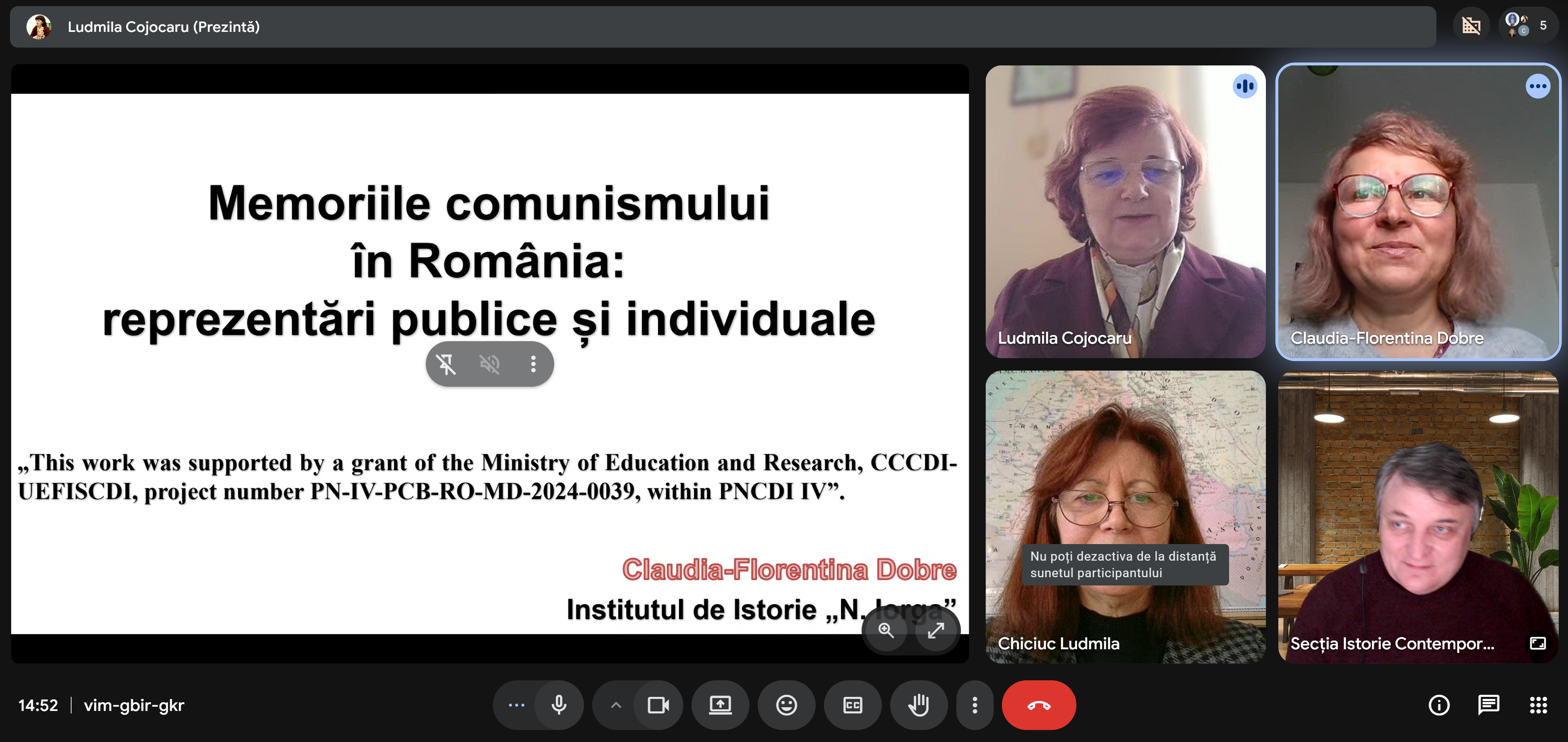
Dr. conf. univ. Ludmila D. COJOCARU (proiect co-director, Muzeul Național de Istorie a Moldovei), Perception of communism among young people in the Republic of Moldova: preliminary considerations
Dr. conf. univ. Liudmila CHICIUC (project member, Universitatea de Stat „B.P. Hasdeu” din Cahul), The history of communism in school textbooks in the Republic of Moldova: problems and perspectives
Dr. conf. univ. Lidia PĂDUREAC (project member, Universitatea de Stat „Alecu Russo” din Bălți), Memory, civics and education in the digital environment: the case study of the Virtual Museum of the „Alecu Russo” State University of Bălți
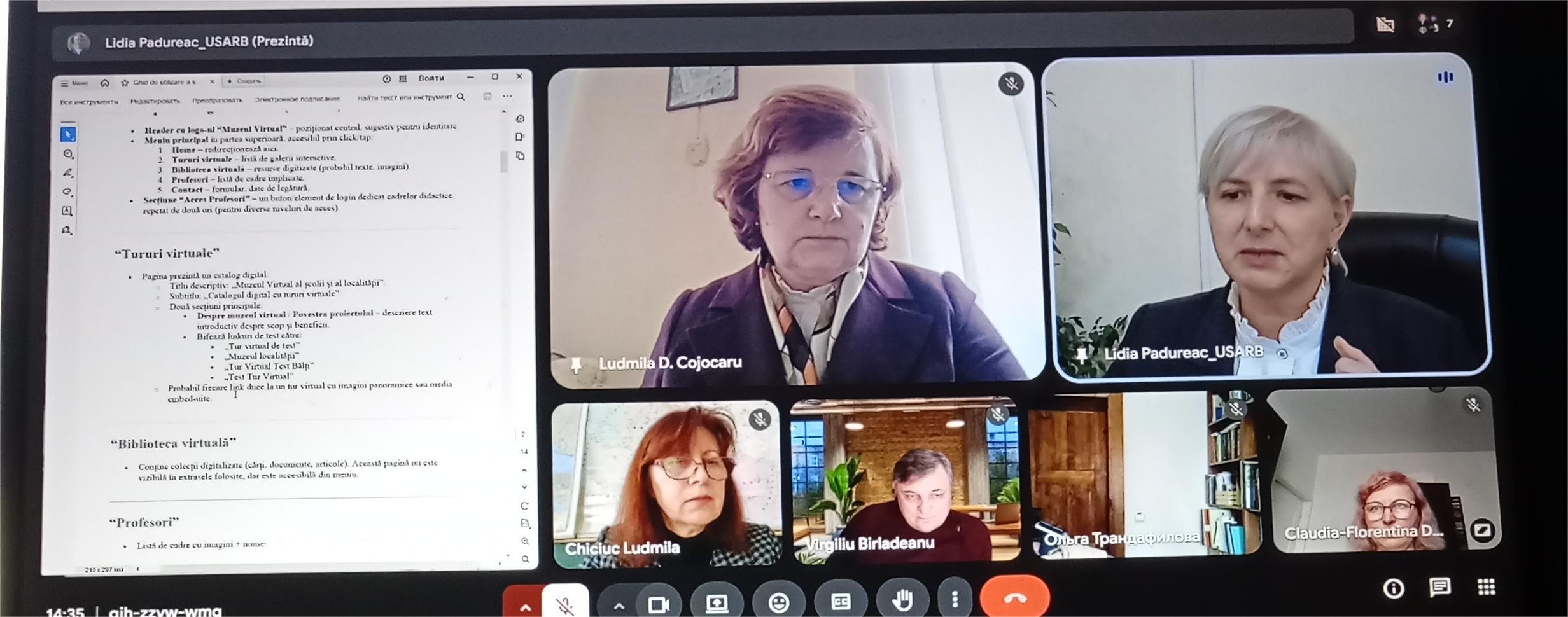
Doctorandă Olga TRANDAFILOVA (project member, Școala Doctorală USM), The famine of 1946-1947: history and memory in the environment of the young generation in Gagauzia
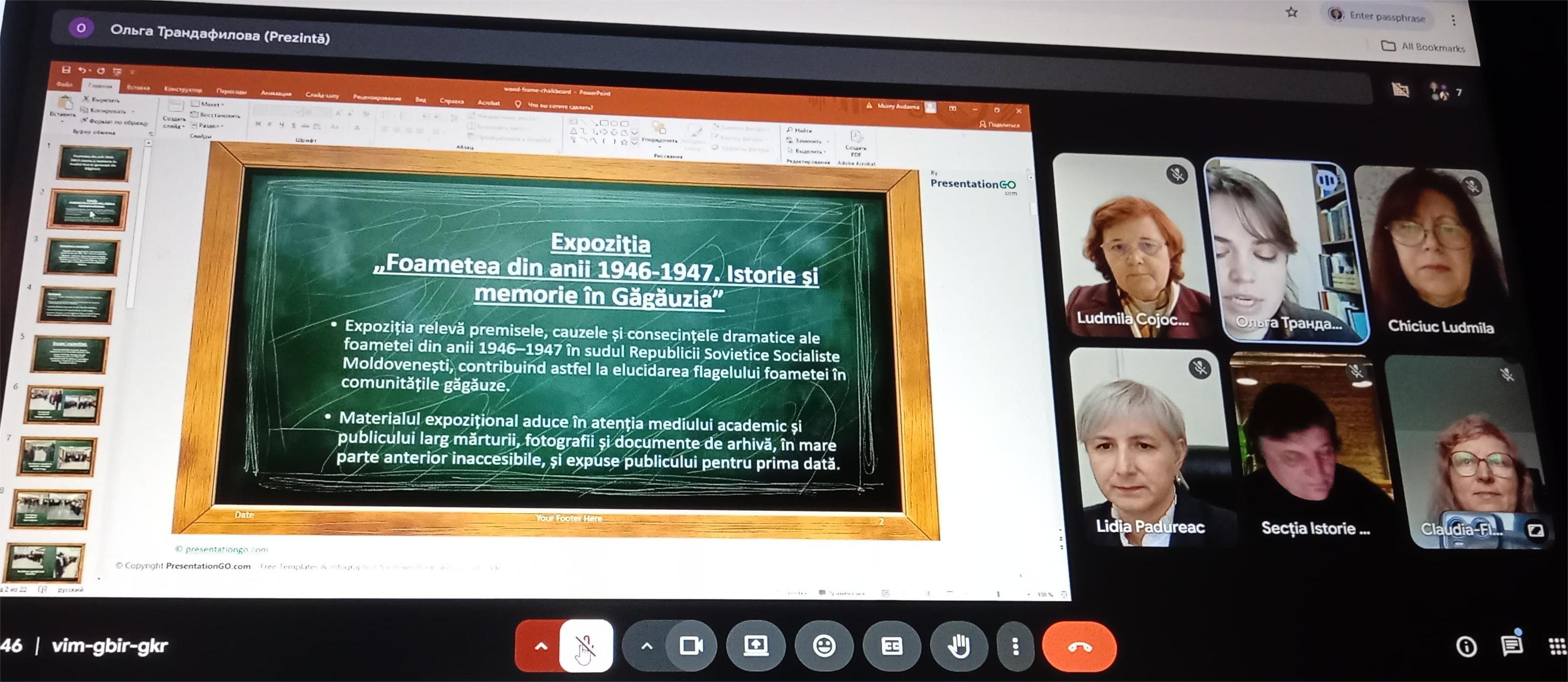
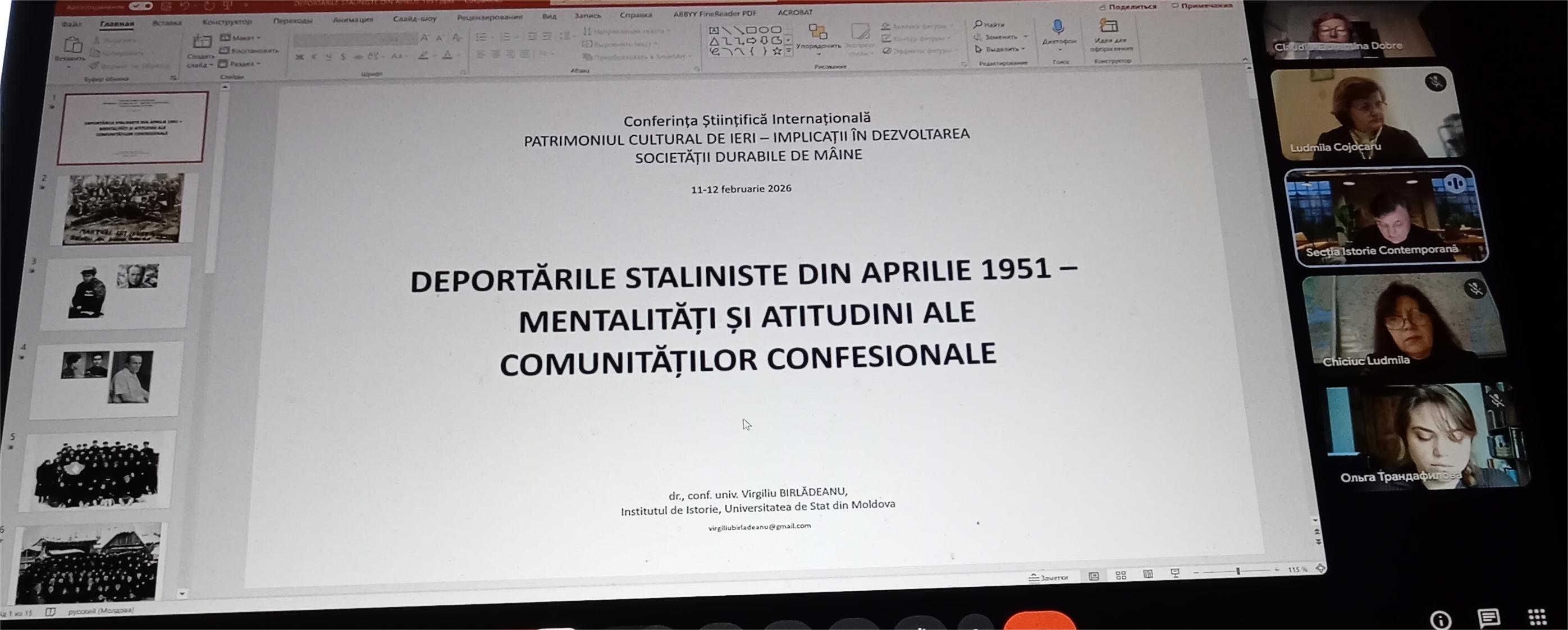
Dr. conf. univ. Virgiliu BIRLĂDEANU (project member, Institutul de Istorie, Universitatea de Stat din Moldova), The Stalinist deportations of April 1951 - mentalities and attitudes of confessional communities
30 Martie 2026
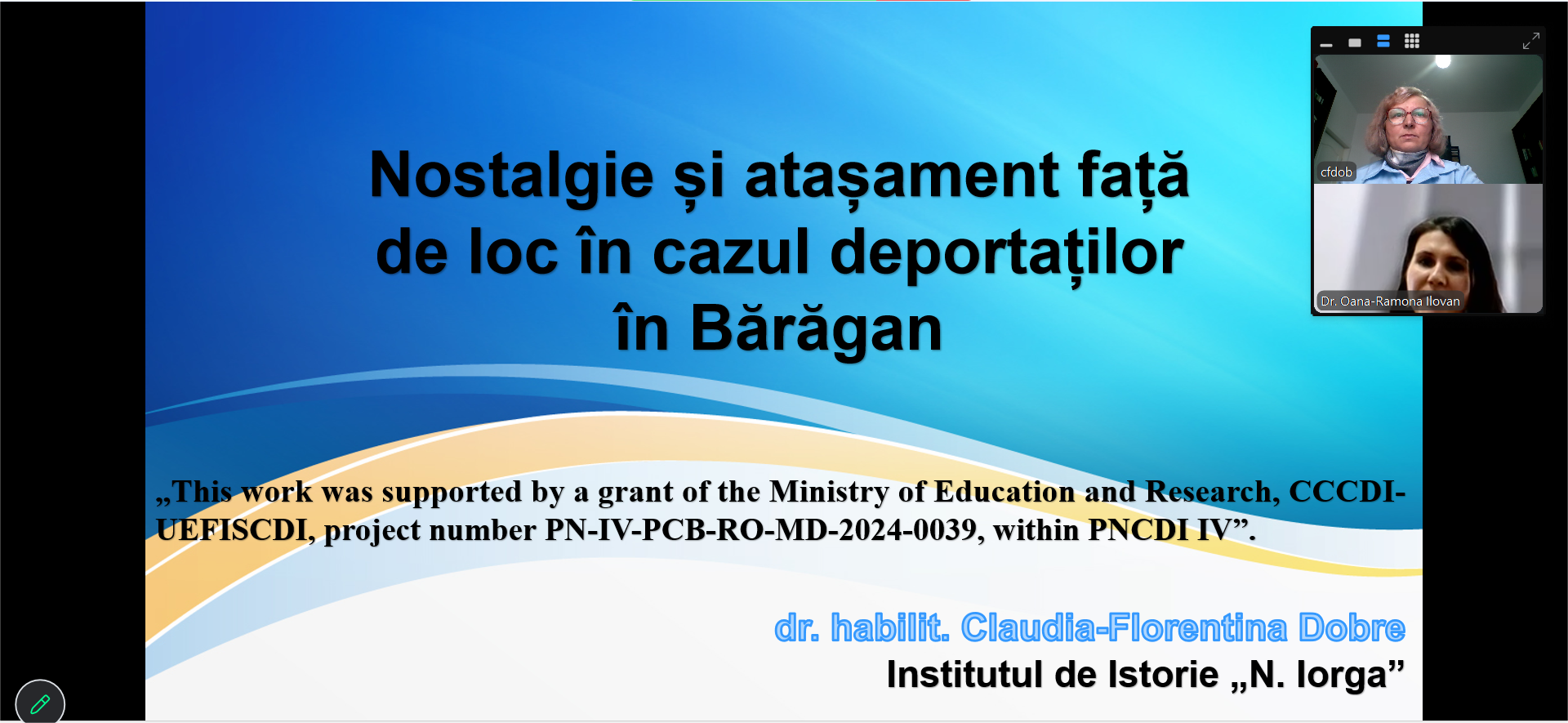
On 30 March 2026, Dr. habil. Claudia-Florentina Dobre, the project director, delivered an online academic lecture at the Babeș-Bolyai University, Faculty of Geography, Territorial Identities and Development Research Center, entitled “Nostalgia and Place Attachment among the Deportees to the Bărăgan Plain.”
The lecture explored the ways in which former deportees and their descendants developed emotional ties to places shaped by displacement and coercion, highlighting the complex relationship between memory, identity, and space. Drawing on the project's research findings, the presentation contributed to interdisciplinary discussions on forced migration, memory studies, and the role of place in shaping individual and collective experiences of the communist past.
April 24, 2026
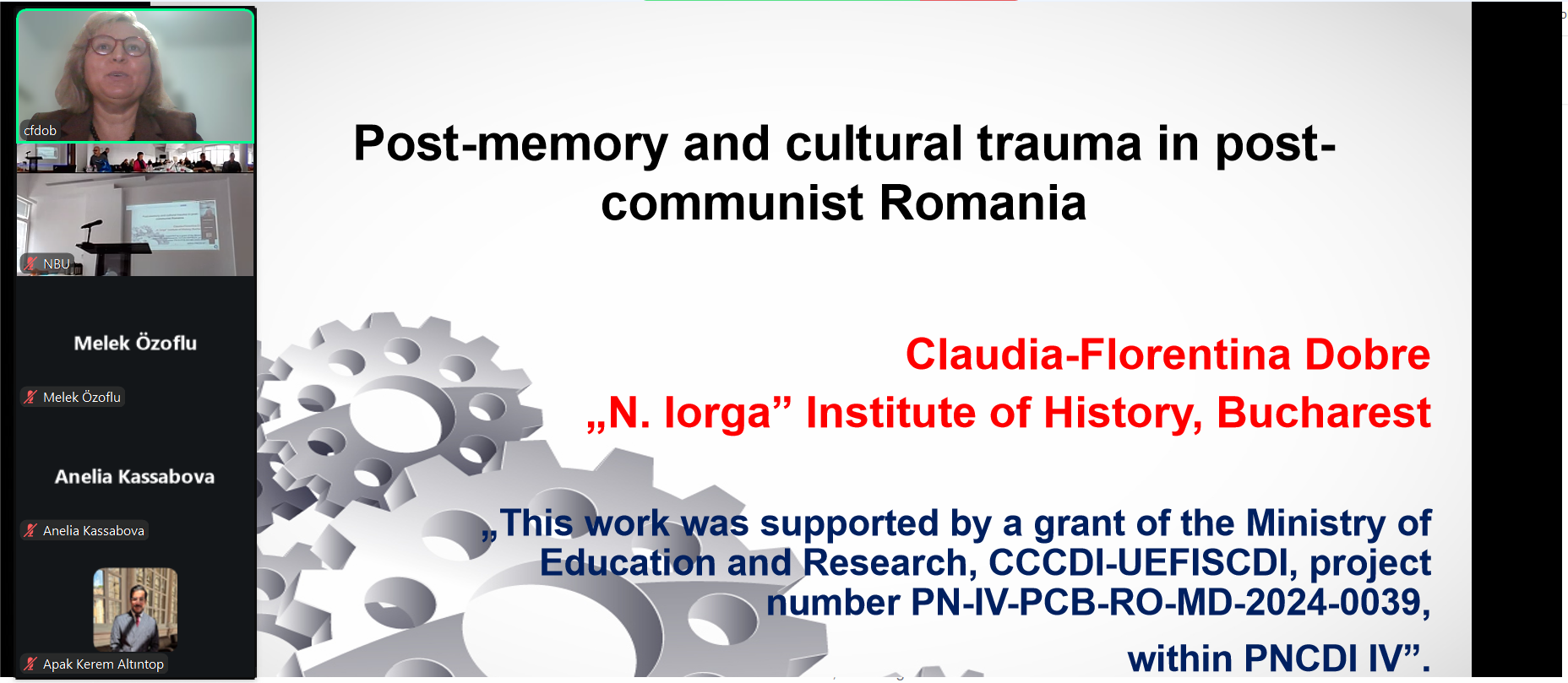
On 24 April 2026, Dr. habil. Claudia-Florentina Dobre, the project director, presented the paper “Post-Memory and Cultural Trauma in Post-Communist Romania” at the international conference “Generations: Memory, Dialogue, Conflict,” organized by New Bulgarian University and held in Sofia on 24-25 April 2026.
In her presentation, she examined the intergenerational transmission of traumatic experiences associated with the communist past and the ways in which post-memory shapes individual and collective understandings of history in contemporary Romania. Drawing on the project's research findings, the paper contributed to broader discussions on cultural trauma, memory transmission, and the role of subsequent generations in negotiating difficult pasts in post-communist societies.
May 28-29, 2026
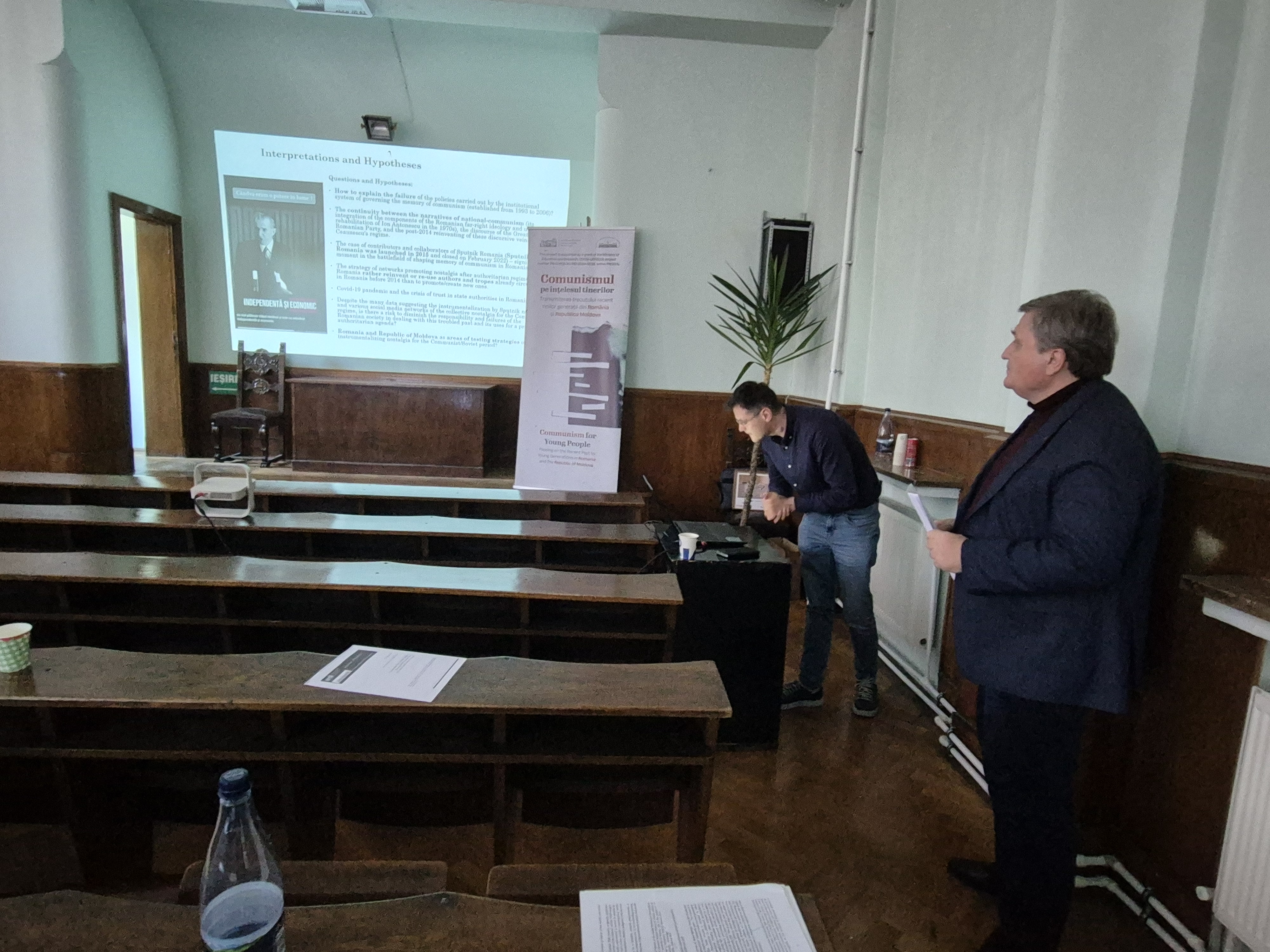
At the international conference “Communism for Young People: Passing on the Recent Past in Central and Eastern Europe,” organized within the framework of the project on 28-29 May 2026, the project team members presented their ongoing research to an international audience and actively participated in the conference discussions and debates.
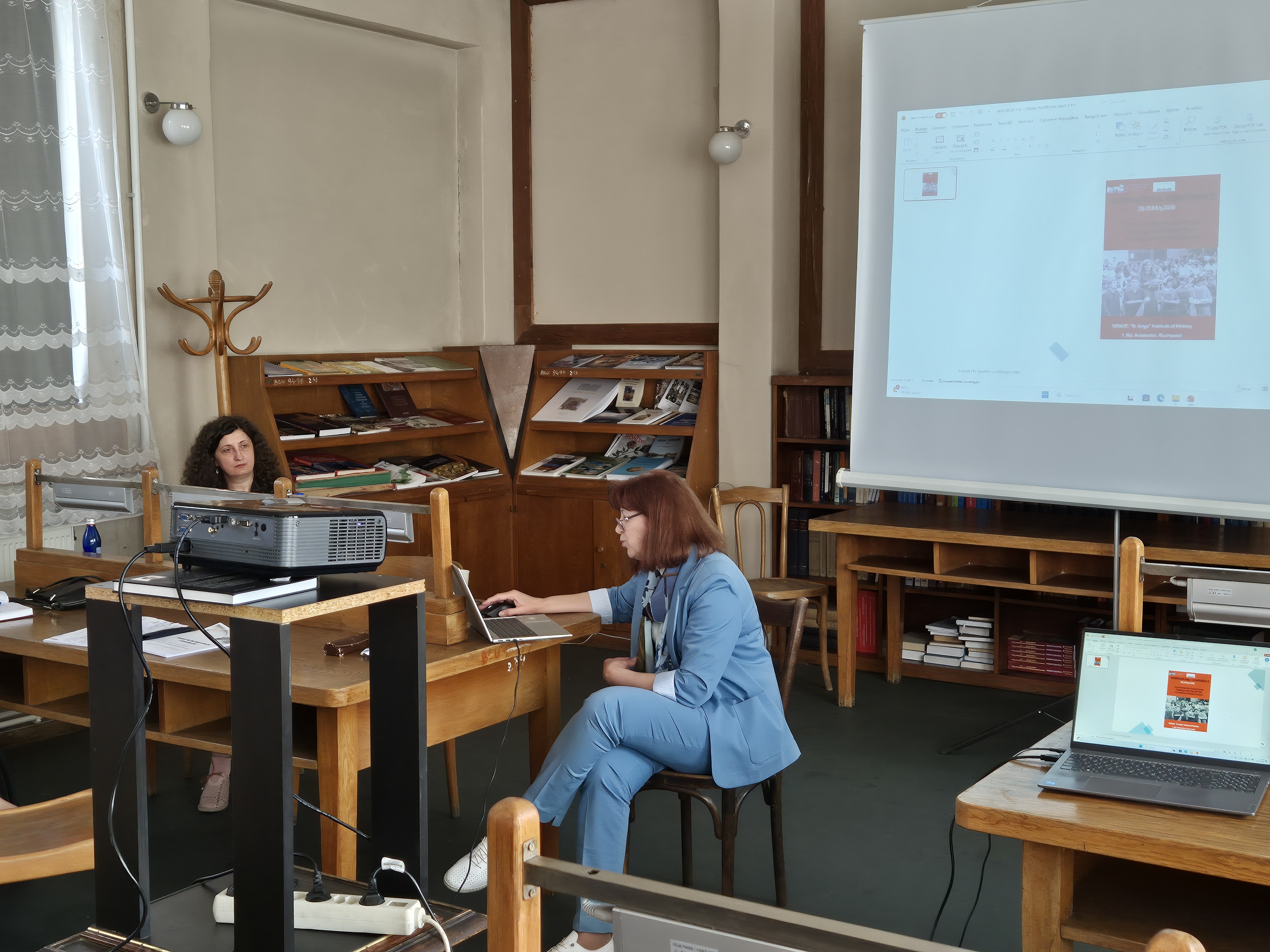
As part of the conference program, Dr. habil. Ludmila Cojocari, the project co-director, presented the paper The Politics of Memory in the Republic of Moldova regarding the Soviet Occupation Period. Her presentation examined the evolution of memory politics in the Republic of Moldova concerning the Soviet period, focusing on the ways in which political actors, public institutions, and civil society have interpreted, contested, and commemorated the legacy of Soviet occupation. The paper contributed to comparative discussions on memory cultures in Central and Eastern Europe and highlighted the challenges of confronting difficult pasts in post-communist societies.
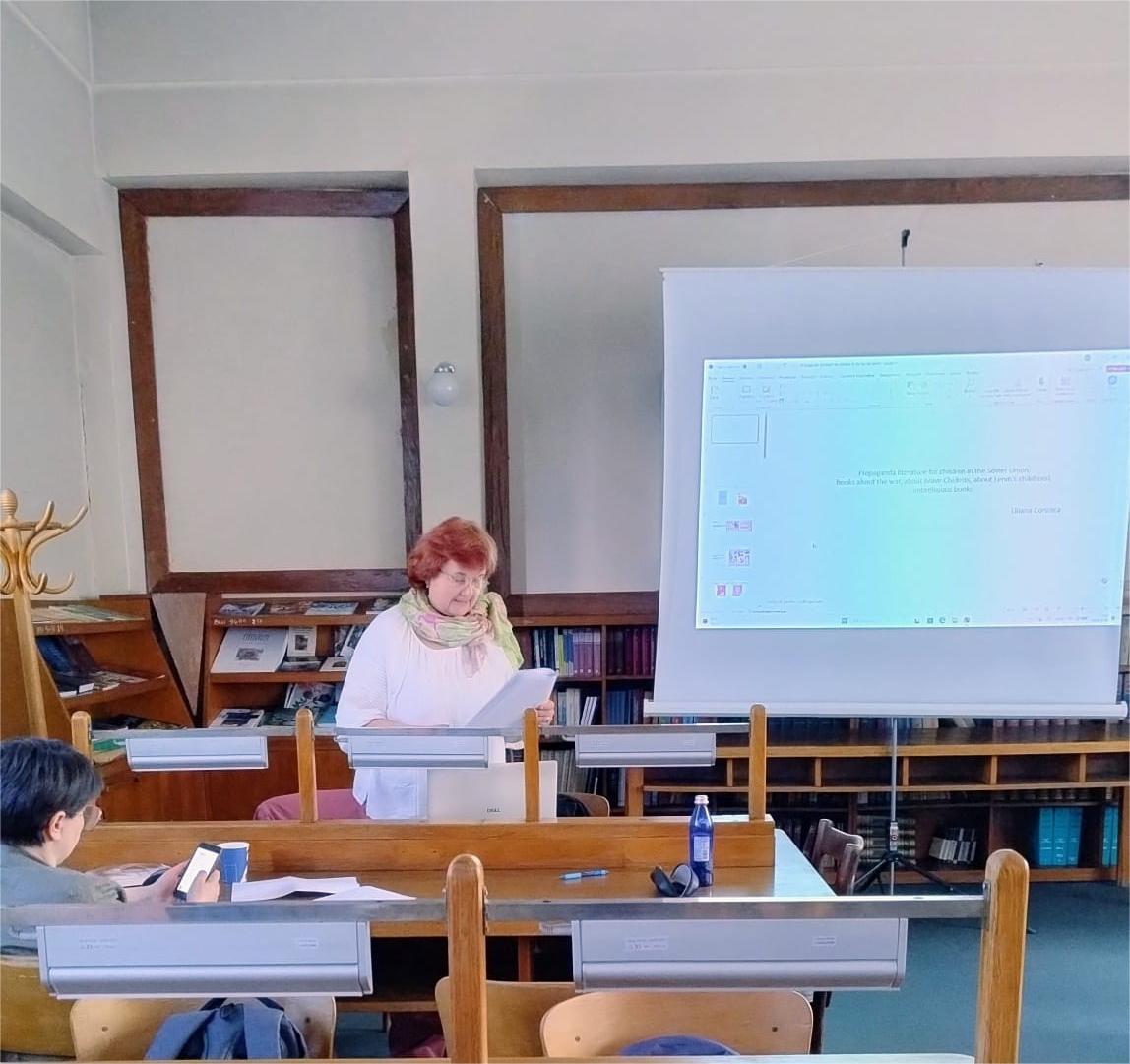
Liudmila CHICIUC („Bogdan Petriceicu Hasdeu” State University in Cahul), Lidia PĂDUREAC („Alecu Russo” Bălți State University), The History of Communism in the Republic of Moldova Textbooks: Issues and Perspectives.
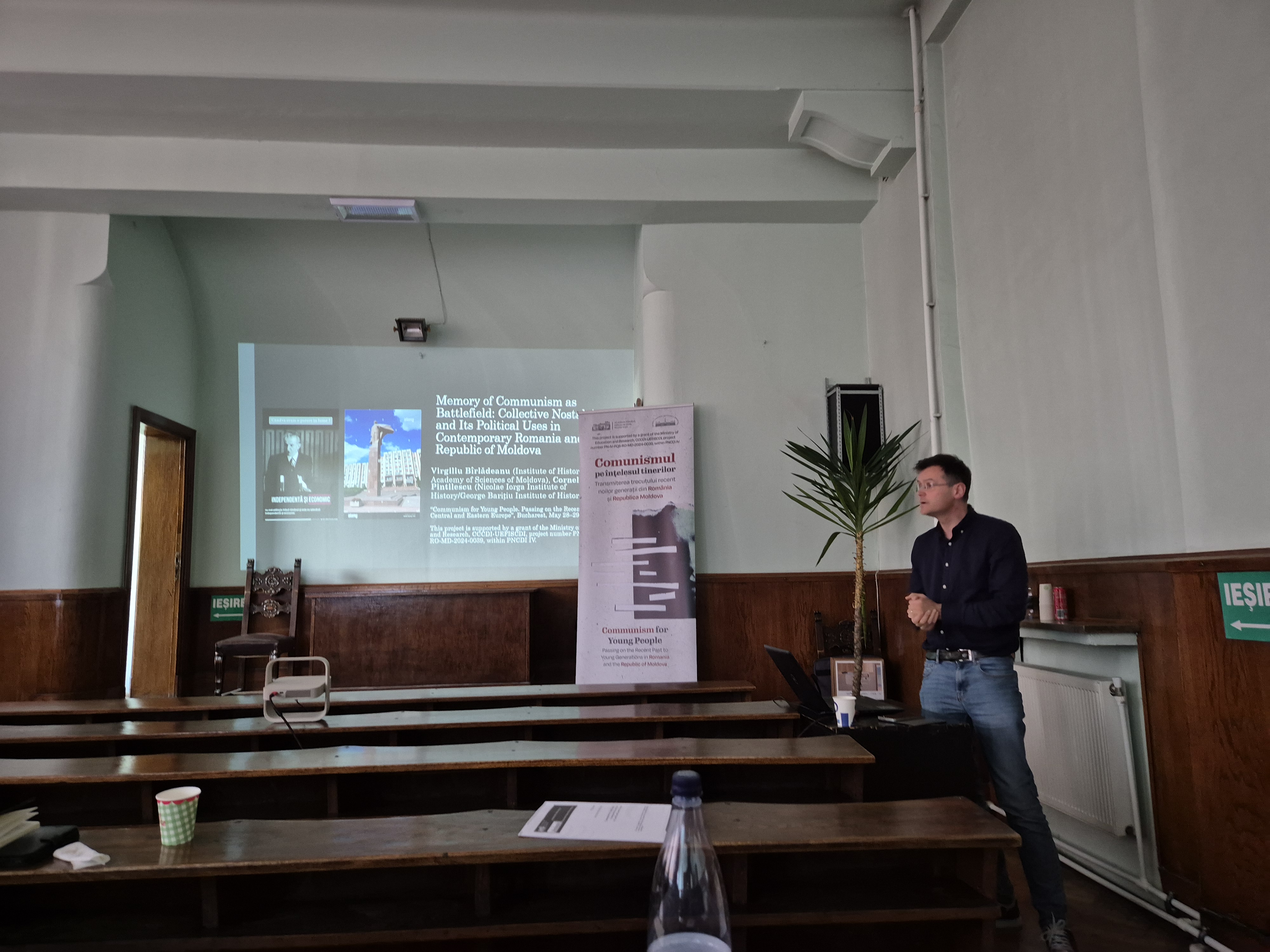
Virgiliu BÎRLĂDEANU (Institute of History, Moldova State University), Corneliu PINTILESCU („N. Iorga” Institute of History/George Barițiu Institute of History, Romanian Academy, Cluj), Memory of Communism as Battlefield: Collective Nostalgia and Its Political Uses in Contemporary Romania and Republic of Moldova.
Manuela MARIN (George Barițiu Institute of History, Romanian Academy, Cluj), The Politics of Memory and the Refashioning of Communism for Young People: The Illustrated Guide to Romanian Communism.